

Hiking the PCT
Blazing Their Own Trail: African American Hikers Who Conquered the PCT — and Why It's Never Too Late to Follow
2,650 miles. Relentless terrain. And a growing community of Black hikers rewriting every assumption about who belongs in the wilderness.
Somewhere between the scorching Mojave Desert and the glaciated peaks of the North Cascades, a quiet revolution is happening on America's most iconic footpath. African American hikers — including seasoned adventurers well past their fifties — are thru-hiking the Pacific Crest Trail and shattering every stereotype about who the wilderness is "for."
Let's be real: for too long, outdoor spaces have been framed as predominantly white territory. Trail guides, gear ads, and hiking culture all seemed to whisper the same message — this isn't for you. But a powerful wave of Black hikers is responding with boots on the ground, one northbound mile at a time.
And if you're a mature hiker wondering whether your best trail days are behind you? Spoiler alert: they absolutely are not. The stories below will make you want to dig your trekking poles out of the garage immediately.
The Trailblazers: African American Hikers Who Did It
These aren't just inspiring stories — they're a masterclass in determination, community, and proving that age and identity are never barriers to adventure.
An Eritrean-American writer who thru-hiked the Appalachian Trail solo and has written powerfully about the experience of being Black in wilderness spaces. Her essays ignited a national conversation about race and the outdoors.
One of the most recognized Black thru-hikers on the PCT, Ammons documented his journey on social media, creating a visible model for other African American hikers — and proving representation changes everything.
Williams founded Melanin Base Camp, a media platform celebrating diverse outdoor adventurers. Her organization has directly inspired thousands of Black hikers — including many mature adults — to hit the trail for the first time.
A growing cohort of Black hikers over 50 are quietly crushing long trails. They blog, they podcast, and they show up at trailheads to remind younger hikers that wisdom, patience, and a well-broken-in boot are elite trail assets.
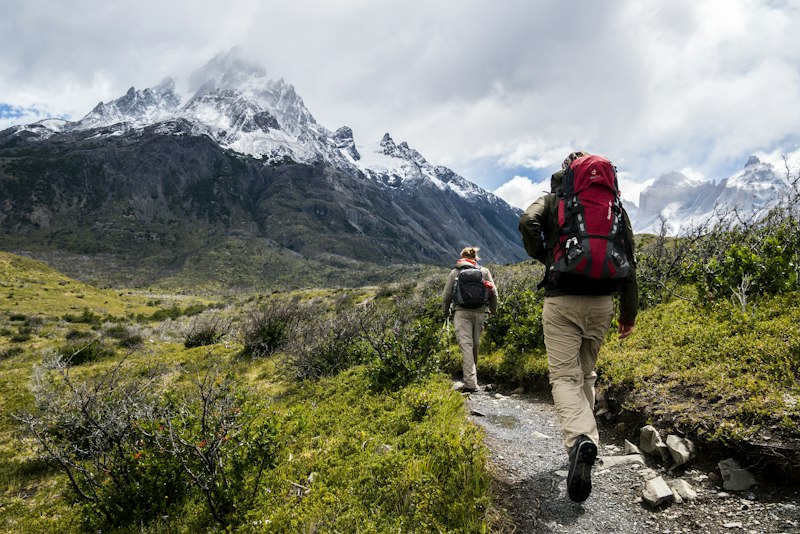
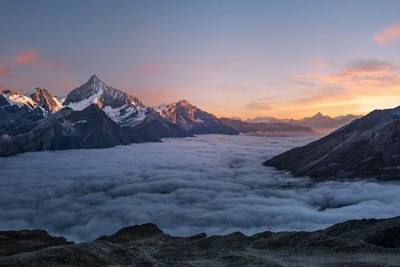
The Pacific Crest Trail winds through three states and some of the most breathtaking terrain in North America.
Why Representation on the PCT Actually Matters
When you don't see anyone who looks like you on the trail, it sends an unconscious signal: you don't belong here. But every African American hiker who posts a summit selfie, writes a trip report, or mentors a newcomer at a trailhead is dismantling that myth one step at a time.
For mature hikers especially, this matters on a personal level too. When you see a 58-year-old Black woman adjusting her pack at the Southern Terminus monument at Campo, California, you realize your own hesitations — the creaky knee, the gray hair, the voice saying "maybe you're too old for this" — are just noise. Inspiring noise, if anything.
"The trail doesn't care about your age, your skin color, or your backstory. It just asks: do you want to show up?"
— Trail wisdom from the PCT communityWhat Mature Hikers Can Learn from Black PCT Thru-Hikers
These trailblazers didn't just hike 2,650 miles. They carried the additional weight of navigating spaces that weren't designed with them in mind. That takes a specific kind of resilience, strategy, and inner knowing — which, as it turns out, is exactly the skill set that makes an excellent mature hiker.
-
Community is gear. Black hiking organizations like Outdoor Afro, Melanin Base Camp, and Black Girls Trekkin' don't just offer camaraderie — they offer safety, local trail knowledge, and the kind of honest advice you won't find in a store. Join one before you lace up your boots for a big hike.
-
Slow is fast. Experienced Black thru-hikers often emphasize a pace-yourself philosophy that prioritizes long-term endurance over ego-driven speed. For hikers over 50, this is not just smart — it's essential. Your joints will send you a thank-you note.
-
Preparation goes beyond packing lists. Knowing which towns along the PCT have welcoming establishments, which sections have shade, and where resupply points are located is second nature to experienced Black hikers who do their homework. Do yours too.
-
Mental fitness is a training category. Many Black PCT hikers speak candidly about the psychological challenges — loneliness, self-doubt, difficult weather — and how journaling, music, and community calls got them through. Build your mental toolkit before the trail tests it.
-
Your story is worth telling. Every trail veteran who shares their experience breaks down a barrier for the next person. Start a blog. Post your photos. Leave a trail review. You are the representation someone else is looking for.
Black-Led Outdoor Communities Worth Following
One of the most powerful ways to prepare for any big trail is to plug into a community. These organizations are actively building inclusive outdoor culture — and they welcome hikers of all ages with open arms.
National network of Black nature lovers with local chapters and group hikes across the US.
Photography, stories, and resources celebrating diverse outdoor adventurers.
Women-centered hiking community with mentorship and group adventures nationwide.
Official permit info, trail conditions, and resources for planning your PCT adventure.
Trail-Ready at Any Age: Practical Tips for Mature Hikers Inspired by PCT Veterans
You don't need to thru-hike all 2,650 miles to draw inspiration from the people who do. Whether you're planning a section hike through the Sierra Nevada, a weekend in the Cascades, or your first overnight backpack, these evidence-backed tips apply at every fitness level.
Before You Go
-
See your doctor for a trail-specific physical — mention terrain type, elevation, and trip length
-
Train for 8–12 weeks with progressively heavier pack weight and longer distances
-
Practice your exact boot-and-sock combination on training hikes, not on the trail
-
Join an Outdoor Afro or local hiking group for pre-trip community support
On the Trail
-
Start with a 20-minute warm-up at reduced pace before pushing your usual speed
-
Hydrate proactively — thirst is a lagging indicator, especially at altitude and in heat
-
Use trekking poles without shame — they reduce knee impact by up to 25% on descents
-
Take photos obsessively. You're making memories, not breaking records
Gear Worth Investing In
-
Lightweight trekking poles with ergonomic grips (your wrists will thank you)
-
Trail runners or low-cut boots with excellent cushioning — not the stiff boots of 1985
-
A pack with a hip belt that fits your actual torso length — get professionally fitted
-
Merino wool layers for temperature regulation — game-changing for mature hikers
Your Move: How to Take the First Step
You've read the stories. You've felt that small ignition in your chest — the one that says maybe I could do something like that. Here's how to fan that flame into actual boot leather on actual trail:
-
1
Find your local Outdoor Afro chapter at outdoorafro.org and attend one group hike this month
-
2
Choose one PCT section that excites you — the John Muir Trail overlap is legendary for a reason
-
3
Follow two or three Black hikers or hiking communities on social media for daily inspiration
-
4
Book your first night of training — a local overnight that gets your systems dialed in
-
5
Tell one person your trail goal out loud — accountability is the oldest and most effective training tool there is
The Pacific Crest Trail will be there. The question is only whether you'll be on it. African American hikers — including those who started their biggest adventures after 50 — are showing the rest of us that the wilderness belongs to everyone willing to show up with their boots tied and their spirit wide open.
The trail doesn't have an age limit. It doesn't have a dress code. And it is absolutely, categorically, undeniably for you.
Now go find out how far your legs will take you. 🥾